Starting Open Water Swimming - What Equipment Do You Need?

Shop this look


Aqua swimming goggles case, black
Equipment for starting open water swimming
Open water swimming has rapidly grown in popularity, with more and more people wanting to switch from the pool to natural waters during the summer months. Starting open water swimming is easy when you have the right equipment. The most important items needed to begin open water swimming are a wetsuit, a safety buoy, and swimming goggles. Additionally, a swimming cap improves visibility and protects the head in cool water.
At FitPit's open water swimming courses, you can rent a wetsuit and a safety buoy for the duration of the course. Wetsuits are recommended for the courses, and a safety buoy is mandatory equipment.
Read more about the equipment needed to start open water swimming below!

Aquaction X FitPit
This guide to starting open water swimming has been produced in collaboration with FitPit. FitPit is an expert in swimming instruction, offering swimming lessons and courses for children and adults in the Helsinki metropolitan area – as well as online courses for water enthusiasts of all levels throughout Finland.
FitPit's extensive practical experience in open water swimming training and its requirements has formed the basis for this guide. Together, we want to help every swimmer find safe and suitable equipment for their open water training!
Safety buoy
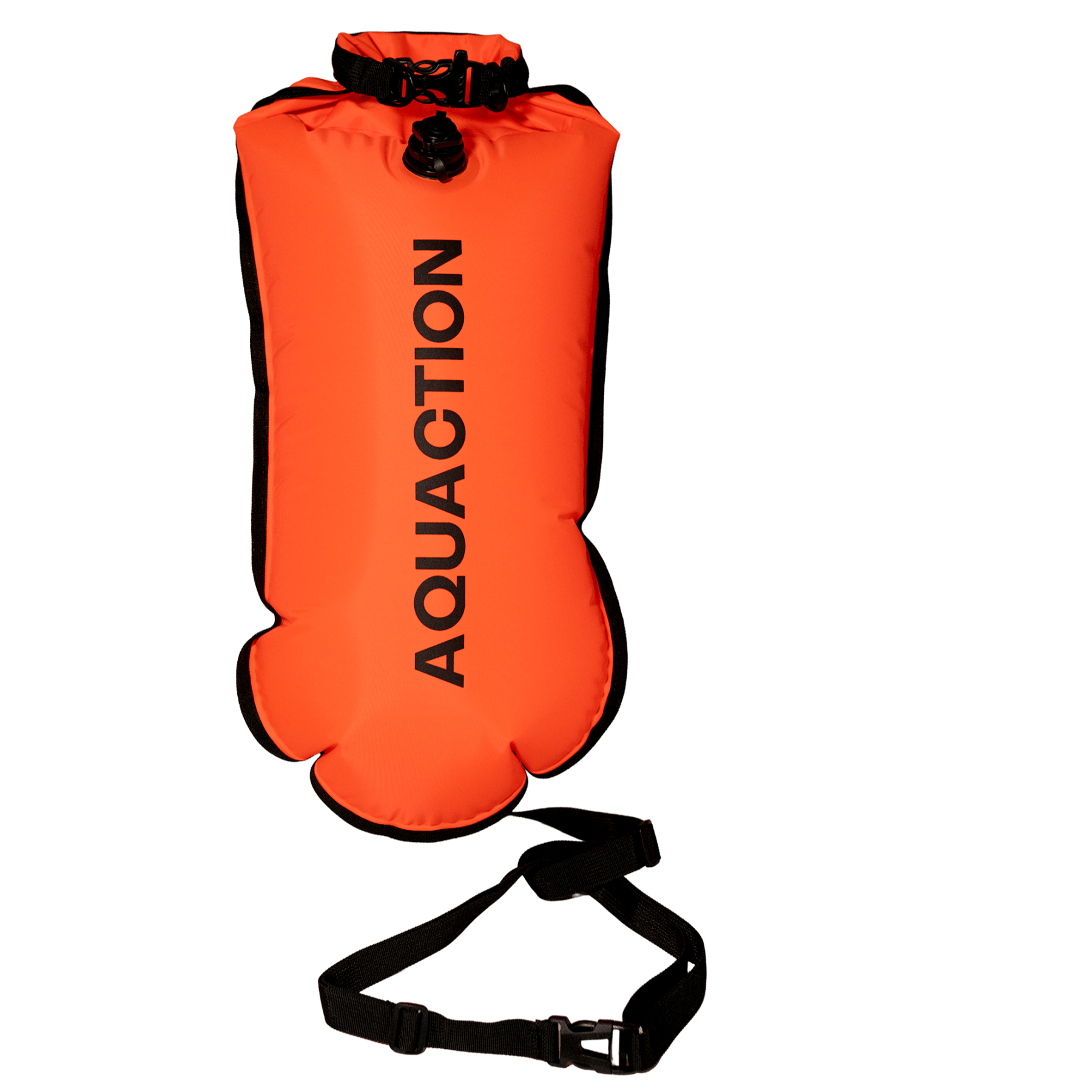
A safety buoy is the most important safety equipment for open water swimming. It increases the swimmer's visibility in the water, making them easier to spot by other swimmers, boaters, and lifeguards. The buoy floats lightly behind the swimmer and does not slow down swimming. Many models have a waterproof pocket for carrying small items such as keys, a water bottle, or a phone. The safety buoy can be taken empty on a swim trip and filled only at the shore. When empty, the buoy fits neatly into a small space.

How is a safety buoy used?
If your safety buoy has a watertight pocket, start using the buoy by filling the pocket with any items you want, such as car keys or a snack. If you store electronic devices inside the buoy, protect them with an additional layer of protection, such as a Mingrip bag. Roll the buoy's opening a few times around itself and close the clip to make the inner pocket watertight. Finally, inflate the buoy's float through the one-way valve and close the valve tightly.
Attach the fully inflated buoy to your waist with the adjustable belt, so it floats on your back without interfering with your swimming movements. Fasten the belt snugly around your waist, but not so tightly that it feels uncomfortable. Adjust the buoy's distance from your body so that it floats gently on your back.
While swimming, the buoy can be used as a float for resting if you need temporary extra support in the water. Please note, however, that the buoy is not a life-saving device.


Wetsuit

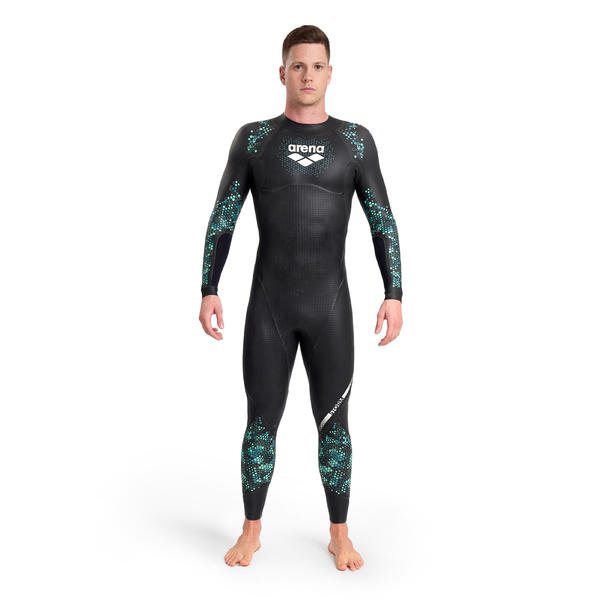
A wetsuit is not mandatory equipment, but in Finnish conditions, it is an important addition for open water swimmers. A wetsuit both warms and floats the swimmer, and its use extends the swimming season when the weather is still cool. Wetsuits are mainly made of neoprene, and the idea is that a thin layer of water gets inside the suit, which warms up from the body's heat and thus keeps the swimmer warm. The suit must be well-fitting and snug all over, but the arms should be able to move freely. A good fit is especially required at the wrists and neck to prevent too much water from entering the suit.
In our selection, you will find high-quality Orca and Arena wetsuits for both professionals and beginners. The swimmer's primary wishes for features influence the choice of the right suit. Once you know what you want from the suit, choosing a model becomes significantly easier.
You can get help choosing a wetsuit from our wetsuit buying guide. Read more!




Swimming goggles

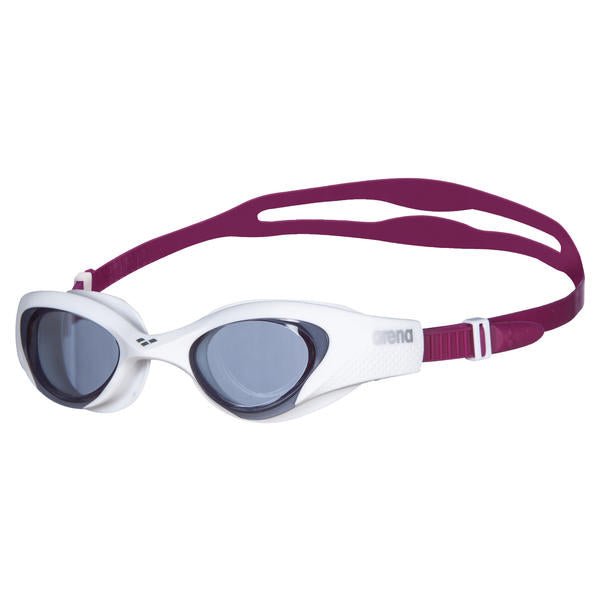
Open water swimming goggles require good visibility in various lighting conditions, a wide field of vision, and a secure fit in choppy water. In bright sunlight, glare can be intense, so the best choice for open water is a goggle with mirrored or at least tinted lenses. Mirrored lenses effectively reduce sun reflections from the water's surface and improve visibility even when the sun is low. Another important factor is lens size. Slightly wider lenses are recommended for open water as they offer a broader field of vision and feel more comfortable on the face during long swimming sessions.
Most swimming goggles come with an anti-fog treatment, which extends their lifespan and is an excellent additional feature for open water goggles. In open water, goggles are often worn for longer periods, making it important not to have to wipe them clear of fog in the middle of a swim. In addition to anti-fog, the lenses of most swimming goggles are protected from UV radiation.
It's also important for open water swimming goggles to feel natural on the face. The goggles should not press or squeeze; instead, they should feel comfortable on the face, and the field of vision through the lenses should be clear.
You can find help with choosing swimming goggles in our swimming goggles selection guide.